
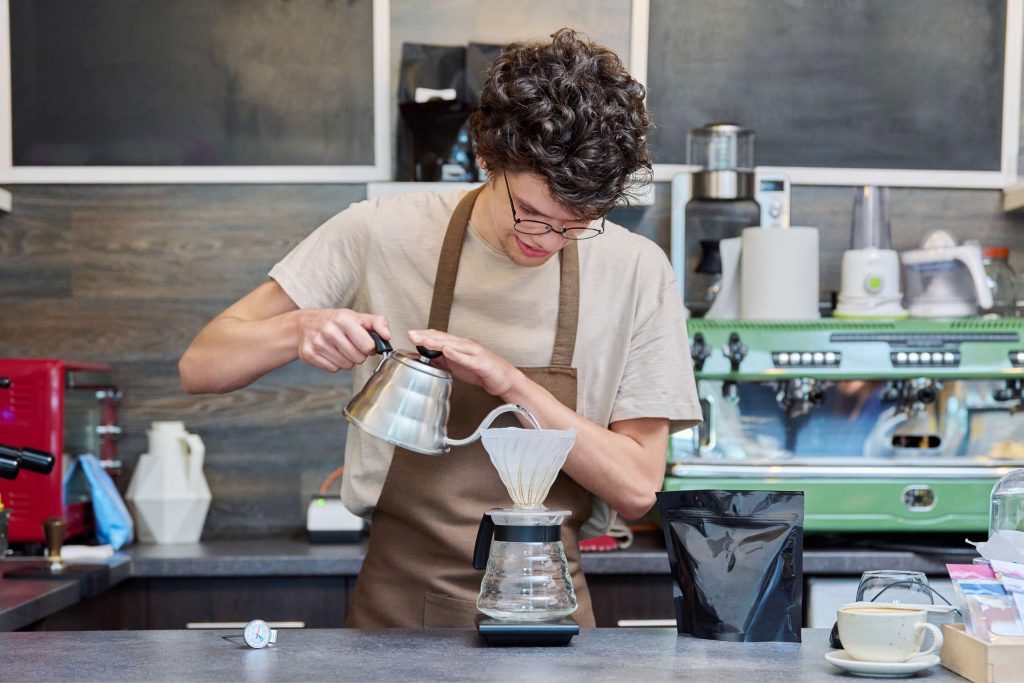
A lot of new brewers think tasting is what you do after you’ve made the espresso, but in reality it’s an integral part of making the espresso. Taste is information. Without it, you’re just making random changes. First, let it cool down a bit. It’s difficult to taste something that’s too hot. Sip it and let the espresso flow around your entire mouth instead of just drinking it. Consider the initial flavor and the aftertaste. Espresso can taste drastically different as it cools, sometimes bringing out a lot of sweetness that you didn’t know was there.
Body contains its own set of telltale signs. A properly extracted shot will be heavy and smooth to the tongue, not thin and evaporating immediately. Body can suggest that a shot is too thin (under-extracted) or too thick and astringent (over-extracted). Flavor alone is what most new baristas consider, and they are cutting themselves off from half the data necessary to adjust. Two small sips, back to back, can help – on the second sip focus on body. This will help you slow down and become more aware of the differences in the sensations.
One of the biggest errors is to taste the espresso in a vacuum, without any context about what you have changed from the last shot. Grab a tiny notebook and jot down a few words about the shot right after you taste it. You don’t have to use big words: “bright,” “dull,” “sweet aftertaste,” etc., can go a long way toward recognizing trends after a half dozen or so tastings. You will begin to understand the relationship between adjusting the grind, altering the dose, or modifying some other factor and a particular effect. Recording your tasting notes turns the tasting process from a passive exercise into a constructive educational process.
Water should be tasted between coffees to cleanse the palate, but not directly after you take a sip. Take a sip, enjoy the aftertaste, and then drink some water. If you are tasting milks with the shots then taste the straight espresso shots first, because if you taste the milk first then you cannot really taste the espresso because milk covers up the imperfections that are normally easily detectable. This is a common mistake for new comers and the reason why they have a difficult time detecting issues.
If you taste just one shot a day and make a change and then taste another shot to compare, you will be amazed at how fast your palate will develop. This should only take around 15 minutes and you should pay particular attention to the taste of the shot as it cools. After a while you will be able to detect balance, acidity, and bitterness easily. No longer will a shot just taste like espresso but you will be able to distinguish its characteristics and know how to improve them.